By Ochiagha Nnanna Okere
Since Senator Hope Uzodimma assumed office as Governor of Imo State, he has transformed the All Progressives Congress (APC) into a formidable political force in the state and across the South East. From inheriting a fragile structure, Uzodimma has repositioned the party, winning over many prominent sons and daughters of Imo and establishing himself as the undisputed APC leader in the region by virtue of being most senior APC governor in the South East.
Today, APC is not just the ruling party in Imo; it is steadily expanding its influence across the South East, thanks to Uzodimma’s robust leadership and governance performance, which continue to attract new supporters.
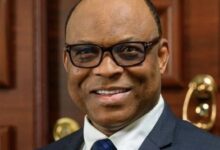
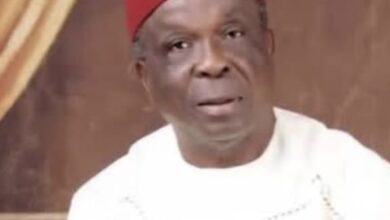
One crucial moment in this resurgence was the defection of former governor Dr. Ikedi Ohakim to the APC four years ago. Although his move drew criticism from a few vocal detractors, many Imolites recognized it as a strategic and unifying decision encouraged by Uzodimma himself. Ohakim publicly stated that his defection was to support Uzodimma’s administration and contribute to the state’s progress.
As a former occupant of Douglas House, Ohakim brought invaluable experience to the ruling party. Since joining, he has consistently supported Uzodimma’s administration and championed cooperation between past and current leaders to ensure continuity, stability, and sustained development. His advocacy for partnership has borne fruit—projects like IROMA, the Oguta Wonder Lake, initiated under his tenure, have been preserved because of this synergy.
Ahead of the November 11, 2023 governorship election, former Governor Ikedi Ohakim wrote a letter to the people of Imo State, appealing to them to re-elect Senator Hope Uzodinma for a second term. He argued that Uzodinma’s re-election would consolidate his achievements and ensure that Imo State remained aligned with the federal government, rather than in opposition. The people of Imo listened, and Uzodinma secured victory at the polls.
Beyond state politics, Ohakim has been a consistent supporter and defender of the policies of President Bola Tinubu’s administration. In a recent interview, he commended President Tinubu for the economic measures being implemented to reposition Nigeria’s economy.
Acknowledging that the country is facing severe economic challenges, Ohakim noted that these problems are not insurmountable provided that the structural flaws in Nigeria’s federal system are addressed. He praised the president’s reform efforts but also urged him to undertake comprehensive political restructuring, insisting that the current political framework is not delivering results.
“Our efforts at finding solutions to our myriad economic problems will continue to fall short if we do not restructure the country politically,” he stressed.
Since leaving office in 2011 after what some political analysts described as a “civilian coup d’état”—Ohakim has remained a prominent figure in both state and national affairs. During the recent election to choose a new President-General of the Igbo socio-cultural organization, Ohanaeze Ndigbo, some Igbo stakeholders pushed for Ohakim to succeed Chief Emmanuel Iwuanyanwu.
However, this proposal faced strong resistance from certain quarters within the organization. Critics argued that Ohakim’s political experience was still needed in state and federal governance, rather than in regional leadership.
Mazi Okechukwu Isiguzoro, Secretary-General of the Chidi Ibeh-led faction of Ohanaeze Ndigbo, cautioned Ohakim to be wary of unpatriotic individuals attempting to draw him into the group’s internal politics. Instead, the faction encouraged him to focus his talents on national leadership roles whether as a governor again, a senator, or even as vice president or president of Nigeria. The body also expressed willingness to support his re-election as Governor of Imo State.
As the 2028 Imo governorship race approaches, debates over zoning have intensified. Governor Uzodimma has publicly stated that his successor will not come from Orlu Zone, which has held the position for much of the state’s history. This leaves Okigwe and Owerri zones as the main contenders.
Owerri leaders argue that they have been marginalized and deserve the next turn. Okigwe leaders counter that their zone was unfairly denied its full eight-year tenure after Ohakim’s controversial removal in 2011, a move they claim was driven by political forces from Owerri.
Many across the state including some from Owerri believe that the fairest path would be for Okigwe Zone to complete its remaining four years through Ohakim, who is constitutionally limited to a single term if re-elected. This, they argue, would allow a smooth rotation to Owerri afterward, following the power sharing practices seen in other South East states.
This sentiment has gained momentum through the “Bring Back Ohakim 2027” (BBO) movement, led by Captain Bishop C. Johnson (Rtd.), which is actively promoting his return. While Ohakim has not declared any intention to run, close associates say he is focused on supporting Governor Uzodimma to complete his tenure without distractions.
The fundamental question remains: will Ikedi Ohakim heed the growing calls to return and complete Okigwe’s tenure in 2028?
For many, Ohakim represents a blend of experience, vision, and unity. His “Clean and Green” initiative, which once earned Owerri the title of Nigeria’s cleanest capital, and his track record of bold reforms still resonate with the people. Many Imolites, believe that if given another chance, he could revive these legacies, drive infrastructure growth, and ensure inclusive governance.
As the years edge closer to 2028, political calculations will sharpen, alliances will form, and the answer to that question whether Ohakim will return will eventually unfold. For now, Imo watches, debates, and waits.