
Imo State: Charting The Path To Rural Development Under Ifeanyi Oruh, Commissioner For Rural Development And Economic Empowerment


By Ochiagha Nnanna Okere

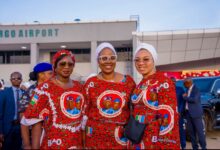
Imo State, situated in the southeastern region of Nigeria, is endowed with vast agricultural potential, rich cultural heritage, and a youthful population. Under the leadership of Ifeanyi Oruh as the commissioner for rural development and economic empowerment under the shared prosperity government of Distinguished Senator Hope Uzodimma, there are numerous initiatives aimed at harnessing these assets to foster rural development.
The state is on the move, charting a path to rural development, characterized by a diverse range of initiatives aimed at leveraging local resources, empowering communities, and enhancing infrastructure. To achieve this, the government has identified key areas of focus, including sustainable agricultural development, infrastructure development, community empowerment, healthcare and social services, education and awareness, and leveraging technology.
Sustainable agricultural development is at the forefront of the state’s rural development strategy. This involves the promotion of agribusiness by providing training and access to microloans for farmers, especially the youth, to enhance productivity. Crop diversification is also being encouraged, introducing farmers to various high-yield crop varieties and sustainable farming practices to ensure food security and improve livelihoods.
Furthermore, support for cooperatives is being strengthened, establishing and strengthening agricultural cooperatives to facilitate access to markets, resources, and knowledge sharing among farmers. By investing in agriculture, the state aims to improve the lives of rural dwellers, increase food production, and stimulate economic growth.
Infrastructure development is another critical area of focus. The government is investing in the construction and maintenance of rural roads to ensure better connectivity for farmers to transport their goods to markets.
Additionally, projects are being implemented to improve access to clean water and sanitation facilities in rural areas, which are essential for health and productivity. By improving infrastructure, the state aims to facilitate economic growth, reduce poverty, and enhance the quality of life for rural dwellers.
Community empowerment is also a key strategy for rural development. The government is organizing vocational training programs aimed at empowering youth and women in rural communities with practical skills, enhancing their employability.
Participatory governance is being encouraged, involving communities in decision-making processes to ensure that development initiatives align with the needs and aspirations of rural populations. By empowering communities, the state aims to promote self-reliance, reduce poverty, and enhance social cohesion.
Healthcare and social services are also being prioritized. The government is facilitating the establishment of health centers in rural areas to improve access to healthcare services, maternal health, and child care.
Social programs are being implemented to provide assistance to the most vulnerable populations in rural areas, including the elderly and the disabled. By improving healthcare and social services, the state aims to reduce morbidity and mortality rates, improve the quality of life, and promote social welfare.
Education and awareness are critical components of rural development. The government is partnering with educational institutions to improve rural education systems and promote awareness about health, agriculture, and sustainability. Community workshops are being conducted to educate rural residents on government policies, rights, and resources available for fostering community development.
By promoting education and awareness, the state aims to enhance knowledge, skills, and attitudes, promoting informed decision-making and community participation.
Finally, the state is leveraging technology to drive rural development. Digital solutions for agriculture are being introduced, including mobile apps for market access, climate information, and agricultural advisory services. E-government services are being promoted to facilitate easier access to government programs and services for rural residents. By leveraging technology, the state aims to improve efficiency, reduce costs, and enhance the quality of services.
In conclusion, Imo State is poised for sustainable rural development, driven by a collaborative effort between government, local government council areas, local leaders, and communities. Under Ifeanyi Oruh’s leadership, the state is charting a path to rural development, characterized by a diverse range of initiatives aimed at leveraging local resources, empowering communities, and enhancing infrastructure. As these initiatives take shape, monitoring and evaluation will be critical to measure their impact and ensure continuous improvement.
Okere, is the Convener/Coordinator Imo Diaspora Support For Senator Hope Uzodimma and writes from Finland


