News

The Task Before Nigeria’s New Envoys

By Ochiagha Nnanna Okere

The Nigerian government, through the Ministry of Foreign Affairs, recently organised an induction programme for newly appointed envoys ahead of their diplomatic postings.

The programme aimed to deepen their understanding of Nigeria’s foreign policy priorities, diplomatic practice, mission administration, and consular responsibilities.

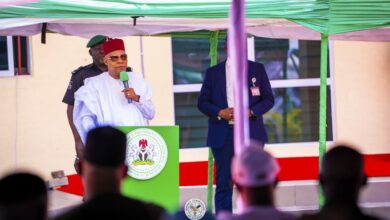
Declaring the programme open, President Bola Ahmed Tinubu represented by the Secretary to the Government of the Federation, Senator George Akume urged the appointees to regard their roles as a sacred national responsibility and emphasised a citizen-centred foreign policy.

Foreign Affairs Minister, Ambassador Bianca Odumegwu-Ojukwu, described the envoys as Nigeria’s face and voice abroad, noting that their conduct will shape global perceptions of the country.

One of the participants, former First Lady of Imo State and Nigeria’s Ambassador to Poland, Her Excellency Lady Mrs. Chioma Priscilla Ohakim, mni, speaking to journalists at the end of the three-day induction session, described the programme as both enriching and enlightening.

She stated that the sessions provided valuable insights into diplomatic protocol, including how to receive guests and what to expect in host countries. She also commended the resource persons for their exceptional delivery, adding that participants are now well equipped with the knowledge required to understand their host nations and effectively represent Nigeria.

Ambassador Ohakim expressed gratitude to President Bola Ahmed Tinubu for the appointment and promised to make Nigeria proud by fostering stronger bilateral relations and attracting foreign direct investment from Poland.

Beyond the ceremonies, however, lies the real task. Diplomacy today is complex and demanding. Nigeria’s ambassadors must go beyond symbolic representation to actively advance national interests and protect citizens abroad.

A major test will be addressing persistent consular challenges, especially delays in passport issuance and difficulties with National Identity Number (NIN) registration. These issues have left many Nigerians abroad stranded and unable to access basic services. Restoring efficiency, transparency, and timeliness in consular services must be a priority.

Equally important is the protection of Nigerians facing discrimination, harassment, or detention in host countries. Ambassadors must respond proactively and ensure embassies serve as reliable centres of support in times of crisis.

Funding constraints remain a serious limitation for many missions. While government must do more, envoys must also ensure prudent management and adopt innovative solutions, including digital services and stronger diaspora engagement.

Economic diplomacy is another critical area. In an increasingly competitive global environment, missions must actively attract investment, promote exports, and build strategic partnerships that benefit Nigeria’s development.

There is also a need for accountability. Clear targets, performance evaluation, and measurable outcomes should guide diplomatic work if foreign policy is to deliver tangible benefits.

Above all, ambassadors must remain accessible to Nigerians abroad, fostering trust and open communication. In today’s digital age, engagement is not optional—it is essential.

The task before Nigeria’s new envoys is significant. Yet it also presents an opportunity to restore confidence in the country’s diplomatic missions and reposition Nigeria on the global stage.

If approached with competence and commitment, their assignments could mark a turning point-placing citizens, national interest, and effective diplomacy at the heart of Nigeria’s foreign relations.

Ochiagha Nnanna Okere is a former Foreign Affairs Reporter with Champion Newspapers and writes from Finland.

Related Articles

Leave a Reply

Your email address will not be published. Required fields are marked *

Back to top button