A Structured Series on Leadership, Reforms, and Sustainable Development in Imo State (2007–2011)
Part 1: A Timeless Vision
The Philosophical Foundation of the New Face of Imo Agenda
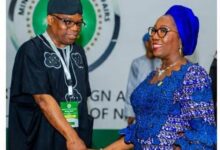
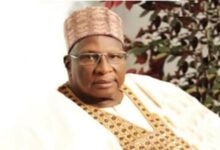
When Dr. Ikedi Ohakim assumed office in 2007, Imo was at a crossroads. Years of political instability, broken promises, and stalled development had eroded public trust. Against this backdrop, he unveiled the New Face of Imo Agenda, a philosophical blueprint built on equity, justice, and continuity.
This vision was not just a slogan but a deliberate attempt to redefine governance — to move from patronage politics to people-centered development. By articulating a philosophy of inclusiveness and fairness, Ohakim sought to heal old wounds, balance the three senatorial zones, and ensure that governance was not just about power, but about service and legacy.
Part 2: A New Order of Leadership
Structural Reforms, Institutional Strengthening, and Administrative Innovations
Ohakim’s leadership was marked by the creation and strengthening of key institutions that became the backbone of governance reforms:
IROMA (Imo Road Maintenance Agency): A specialized agency to institutionalize road maintenance and ensure sustainability of infrastructure.
ENTRACO (Environmental Transformation Commission): Designed to address waste management and environmental renewal, repositioning Owerri and other urban centers as clean and livable cities.
ISOPADEC (Imo State Oil Producing Areas Development Commission): Established to guarantee oil-bearing communities a fair share of development through statutory allocations, projects, and community empowerment.
These agencies reflected a philosophy of governance that outlived politics. They professionalized service delivery, provided structure for development, and emphasized accountability. Ohakim also introduced reforms in the civil service, restoring professionalism and depoliticizing appointments. By doing so, he rebuilt trust between government and the governed, while showing that institutions — not strongmen — should drive development.
Part 3: Running with the Ball
Governance under Pressure, Fiscal Discipline, and Sustainable Development in Imo State
Despite political sabotage and the global economic meltdown of 2008–2009, Ohakim adopted a philosophy he famously described as “running with the ball.” It meant maintaining momentum despite obstacles, staying focused on delivery, and ensuring the people did not suffer because of political distractions.
His administration refused reckless borrowing and prioritized fiscal discipline, ensuring resources were directed to capital projects and not wasted on patronage. Roads, schools, healthcare facilities, and environmental renewal became the backbone of this philosophy. By keeping government functional under pressure, Ohakim demonstrated resilience and left a governance model rooted in prudence, discipline, and determination.
Part 4: Legacy Projects and People-Centered Governance
Strategic Investments for Future Generations
Ohakim’s most enduring legacy was the focus on people:
10,000 Graduate Jobs Scheme: The single largest employment initiative for youths in Imo’s history.
Healthcare Transformation: Mass recruitment of health workers and investments in hospitals and rural health centers.
Infrastructure Renewal: The Imo Freeway and strategic road projects connecting economic hubs.
Agriculture & Environment: Investments in agro-industrial development and sustainable environmental management.
ISOPADEC Projects: Oil-producing areas received dedicated projects in infrastructure, schools, and empowerment — ending decades of neglect.
These interventions ensured governance was not about short-term politics but future-oriented investments. They gave Imo people dignity, restored faith in government, and positioned the state for long-term growth.
Part 5: Defending the Record – Truth against Revisionism
Countering False Narratives and Reclaiming Historical Memory
Ohakim’s record has often been subjected to political revisionism, particularly regarding the events of 2011. To defend his legacy, it is necessary to revisit the myths and propaganda that were weaponized against him.
The truth remains that his administration laid foundations of sustainable governance, established enduring institutions like ENTRACO, IROMA, and ISOPADEC, and provided real jobs for young people. The narrative of “failure” was a political construct, not a reflection of governance reality.
Defending this record is both a political and moral duty — for the sake of history, for future generations, and for the integrity of governance in Imo State. Setting the record straight reclaims the truth and positions Ohakim’s leadership as a model of fairness, prudence, and resilience.
Nze (Dr)Modesty Vitus Ezenwa is the Akwaa akwuru Umuobom, Oderiri Ntueke and Onyirimba Ihitenansa, Ideato