OZOPOLF Leaders Visit Ezinihitte And Aboh Mbaise, Reaffirms Support For Governor Hope Uzodimma, Imo Charter of Equity

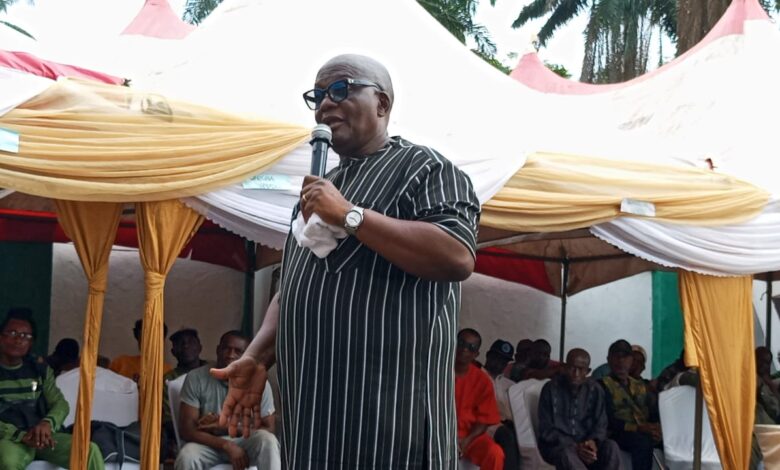
In a significant show of political solidarity, the Owerri Zone Political Leaders Forum (OZOPOLF) branches of Ezinihitte Mbaise and Aboh Mbaise, on Saturday the 15th day of March 2025, hosted the National Leadership of the organization, led by , Prince Charls Amadi (Charlvon). The visit, marked by massive turnout and enthusiastic receptions, was a demonstration of the growing unity and resolve within the Owerri Zone to safeguard its political future.


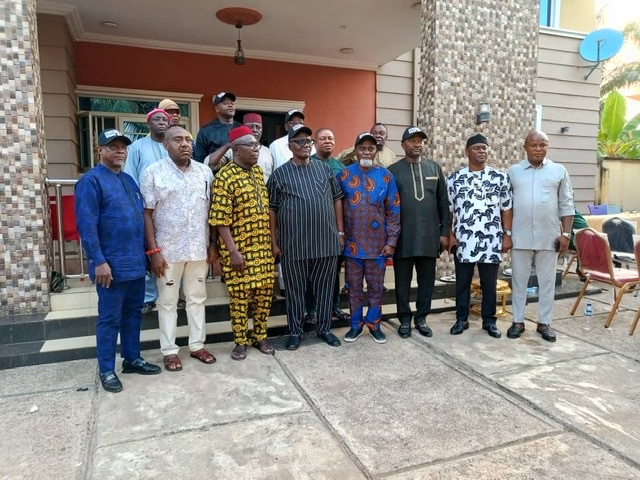
The first stop of the visitation was at Ezinihitte Mbaise, where the National Executives of OZOPOLF were graciously hosted at the residence of the former Deputy Governor of Imo State, Lady Ada Okwuonu. The gathering brought together key political stakeholders, community leaders, and residents, all united by a shared vision for the zone’s progress.
In her welcome remarks the former Deputy Governor of Imo State, Her Excellency Lady Ada Okwuonu, commended the initiative of grassroot mobilization by OZOPOLF and the quest for a united voice in the agitation for a governor of Owerri Zone extraction come 2028.
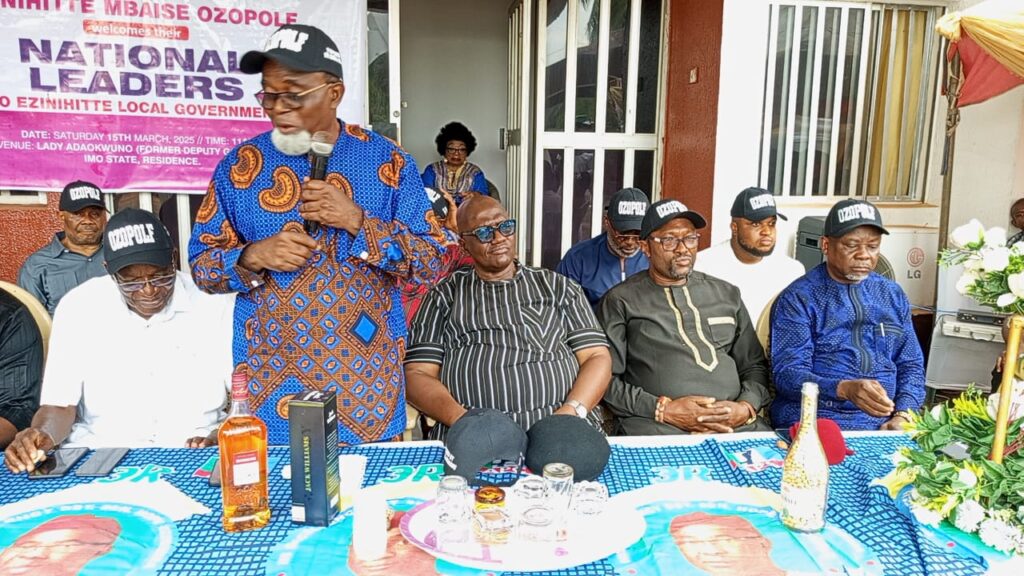
Chief Hillary Eke, the pioneer APC State Chairman in his speech commended Prince Charles Amadi and OZOPOLF for embarking on the tour, describing it as timely and strategic. Rev Nwulu, who prayed for Ozopolf success also commended the team.
Another great son of Ezinihittee Mbaise, Chief Daniel chukwunyere Oriaku, pleased by the activities of OZOPOLF, pledged to deliver 2 Buses for OZOPOLF mobilization in Ezinihitte Mbaise.
Later in the day, the delegation proceeded to Aboh Mbaise, where they were received at by an equally enthusiastic crowd including the host, Chief Charles Ogu alongside the former House of Assembly member from Aboh Mbaise, Hon. Eddy Obinna .
Both events were characterized by a massive organic turnout, showcasing OZOPOLF as the leading political voice in the Owerri Zone.
Addressing attendees at both venues, Prince Charls Amadi delivered a moving and emotional message emphasizing the need for unwavering support for Governor Hope Uzodimma and the need for a governor of Owerri Zone extraction come 2028. He cautioned against joining forces with detractors of the governor, urging instead for prayers and solidarity.
“This is the first time that a sitting governor has stood firmly by Owerri to produce the next Governor of Imo State,” Prince Amadi noted. “It is crucial that we stand by him in return. Do you think everyone is happy with him for making that decision? Some individuals in Orlu and Okigwe Zones would prefer a free-for-all contest. So let us not give him a reason to regret his decision to stand with us.”
Prince Amadi further highlighted the significance of Governor Uzodimma’s backing in determining political outcomes, likening it to a head start in an examination.
“Whoever the governor supports already has 40 mark advantage,” he stated. “I can assure you that the governor would consult widely for someone who will be highly acceptable not only to Owerri Zone but to our brothers in Okigwe and Orlu Zones. I don’t know who that person will be, but what we are doing is playing the role of John the Baptist, preparing the way for the one who is to come.”
The events also provided an opportunity for the people of Ezinihitte and Aboh Mbaise to express their trust and confidence in the leadership of Prince Charls Amadi and the global OZOPOLF organization
Community leaders affirmed that OZOPOLF remains the major platform to ensure that an Owerri Zone indigene emerges as Governor Hope Uzodimma’s successor.
Speakers at the events lauded Prince Amadi for his dedication, strategic leadership, and unwavering commitment to the cause of the Owerri Zone. They pledged to support OZOPOLF’s initiatives and strategies that promote political inclusivity and strengthen’s the zone’s relevance in Imo State’s political landscape.
Prince Charls Amadi was accompanied on the visitation by a high-profile delegation, including the National Deputy Leader, Nze Chidi Ibe, the General Secretary, and Barr. Kingsley Ononuju (Ekwedashike), the National Organising Secretary, Hon. Ray Emeana, Caucus leader Prof Eugene Opara, Ngor Okpala LGA Coordinator Hon. Blessing Nwannerenin, as well as Local Government Area Coordinators and women leaders, among others.
Their presence reinforced the unity and commitment of OZOPOLF’s leadership towards ensuring the political empowerment of the Owerri Zone and supporting Governor Uzodimma’s vision for Imo State.
The successful hosting of OZOPOLF’s national leaders in Ezinihitte and Aboh Mbaise bears witness to the increasing political awareness and solidarity within Owerri Zone. It also signifies the readiness of the people to align with Governor Uzodimma’s vision and ensure that the zone remains strategically positioned for future leadership roles in Imo State.
As the political landscape continues to evolve, OZOPOLF’s commitment to promoting unity, equity, and competent leadership will be instrumental in shaping the future of the Owerri Zone and Imo State at large .