By Noel Chiagorom
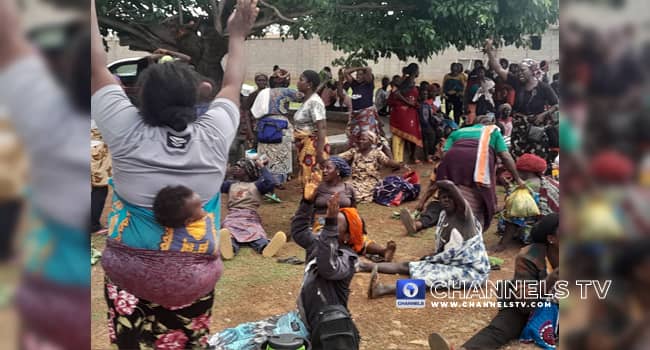
The situation in Rivers State, where Governor Siminalayi Fubara was suspended by President Bola Tinubu, raises questions about the consistency of decision-making in Nigeria’s governance. This move might be perceived as unusual, especially when compared to other states with similar or more severe security challenges, like Plateau and Enugu states. In Plateau State, recent killings by herdsmen resulted in over 30 deaths, yet the state governor wasn’t suspended. Similarly, in Enugu State, farmers were killed in their numbers, but there’s been no such action against the governor.


Some argue that the president’s actions might be influenced by preconceptions or external factors, such as the alleged relationship between President Tinubu and Nyesom Wike, Fubara’s predecessor. This perceived bias could lead to questions about the fairness and consistency of governance. Nigeria’s complex political landscape might play a role in these decisions, with various stakeholders and interest groups influencing governance. Each state’s unique circumstances, including security challenges and governance structures, might require tailored approaches.

The government’s response to these incidents has sparked concerns about accountability and transparency. It’s essential for the government to maintain consistency in its decision-making across different states and ensure accountability for the actions taken. Providing transparency in governance and decision-making processes can help build trust and stability in Nigeria’s political landscape. The key questions remain: Will the government maintain consistency in its decision-making? How will it ensure accountability for the actions taken? What measures will be taken to provide transparency in governance?