2027: A Time That Demands Experience, Competence, Professionalism — Ohakim Well Equipped, Needs No Trial And Error

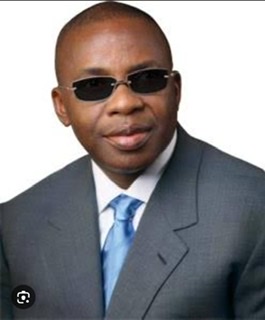
In the evolving journey of Imo State’s development, leadership has come in various shades—some experimental, others more structured. Among the leaders who brought a clear sense of purpose to governance, one name continues to stand out: Dr. Ikedi Ohakim, former Governor (2007–2011). His administration was not characterized by improvisation or guesswork but by planning, structure, discipline, professionalism, and fairness.
As 2027 gradually comes into view, Ndi Imo are once again called to reflect on the leadership qualities that will sustain the state’s momentum. This reflection does not dismiss the progress made under the current government, but it invites citizens to consider how experience, structure, and tested vision will be critical in the next phase of the state’s growth.


A Method, Not an Experiment
From the onset of his administration, Dr. Ohakim governed with a deep commitment to long-term planning and institutional thinking. His policies were not random declarations—they were grounded in well-developed blueprints with measurable goals.
The widely praised Clean and Green Initiative, for example, wasn’t a cosmetic environmental campaign. It was a comprehensive environmental transformation programme. Through ENTRACO, monthly sanitation exercises, and citizen mobilization, Ohakim institutionalized environmental discipline across the state.
Importantly, he approached governance as a science, not as trial-and-error. Like the current administration under Governor Hope Uzodinma, which has prioritized project supervision and quality assurance, Ohakim too emphasized professionalism, accountability, and sustainability in project execution.
Hallmarks of His Administrative Style
1. Institutional Thinking – Ohakim focused on building systems and agencies that would outlive his administration and serve future governments.
2. Professionalism – Policies and programmes were executed with seriousness, technical input, and respect for process.
3. Meeting Standards – In areas such as infrastructure, environmental policy, and public administration, he demanded compliance with both local and global best practices.
4. Durability – His projects were not short-term fixes. They were built to stand the test of time.
5. Unbiased Leadership – Ohakim’s governance was marked by fairness to all zones. Projects, appointments, and development initiatives were evenly distributed across Owerri, Orlu, and Okigwe, with no zone unduly favoured—even his own.
6. People-Centered Governance – He prioritized community engagement, working with town unions, youth groups, and civil society to shape inclusive policies.
7. Strategic Vision – Every initiative was linked to broader objectives—economic empowerment, tourism, health, international partnerships, and cultural pride.
8. Firm but Fair Leadership – Ohakim enforced discipline while engaging citizens with clarity and purpose.
Examples of Unbiased Leadership Across Imo
Dr. Ohakim’s fairness was not theoretical—it was practical and visible:
In Owerri Zone, key road rehabilitation and urban renewal projects were launched, improving the capital city’s accessibility and sanitation.
In Orlu Zone, rural electrification and water projects were expanded, touching previously underserved communities.
In Okigwe Zone, despite being his origin, Ohakim avoided favoritism, maintaining a balanced allocation of resources and appointments.
His cabinet reflected a deliberate spread across the three zones, promoting unity, equity, and shared development.
Why Ndi Imo Must Consider His Return in 2027
Today, under Governor Hope Uzodinma, Imo State has witnessed visible efforts in infrastructure expansion, road construction, and project supervision. The current administration has emphasized quality control and monitoring, ensuring projects meet professional standards.
However, as we approach another electoral cycle, it becomes essential to build upon that foundation by bringing in a leader with a proven track record of institutional governance and long-term vision.
Dr. Ikedi Ohakim is not coming to experiment—he is coming to elevate.
He understands governance as a continuum—not a contest of personalities, but a relay of responsibility. His return will mean renewed emphasis on durability, discipline, equity, and global relevance.
The Call of 2027
Leadership matters. And as 2027 draws near, Ndi Imo must choose continuity with credibility, and progress with purpose.
Ohakim’s time in office remains a reference point for what is possible when governance is approached with discipline and foresight. His Clean and Green legacy remains one of the most enduring chapters in Imo’s modern history.
In 2027, the call is not to discard the progress made—it is to build on it with someone who already knows the terrain and has the tools to take Imo further.
Dr. Ikedi Ohakim is not a push-and-start administrator. He is not a try-and-error politician. He is a statesman of professionalism, fairness, structure, and vision.
And for Imo, his second coming is not just about returning to power—but about returning to purpose.
Comr. Kelechi IWUCHUKWU
Director of ICT, Data & Digital Media – BBO 2027