Nigeria And Poland Strengthen Ties Through Legacy Of Wartime Hero August Agboola Browne

By Ochiagha Nnanna Okere, Warsaw Poland

The story of August Agboola Browne, a Nigerian who fought alongside the Polish resistance during the 1944 Warsaw Uprising, has once again taken centre stage as Nigeria and Poland seek to deepen diplomatic ties rooted in a shared history of courage and sacrifice.
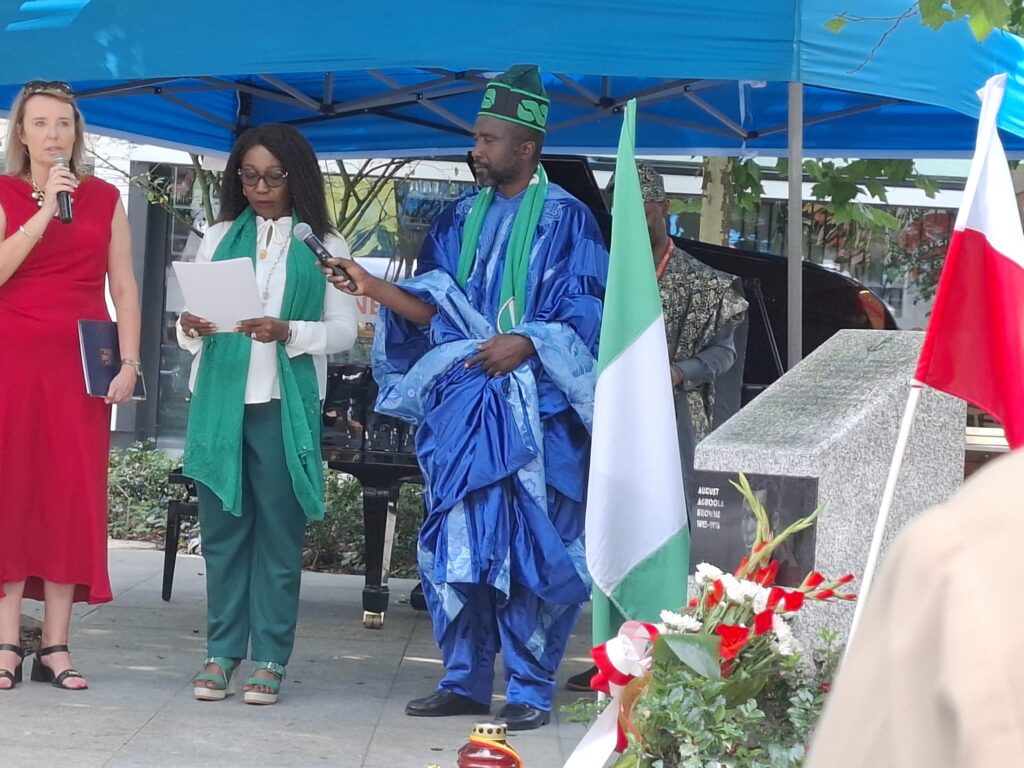
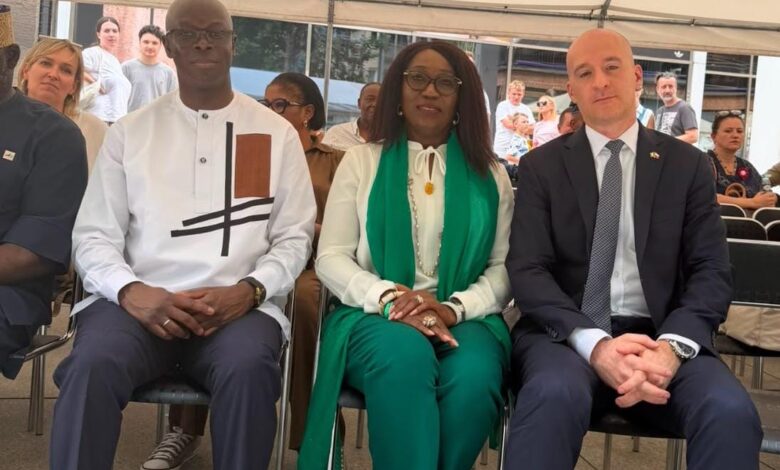
Speaking at commemorations marking the 82nd anniversary of the Warsaw Uprising on Saturday, Nigeria’s ambassador to Poland, Chioma Priscillia Ohakim mni, described Browne’s legacy as a lasting symbol of solidarity between the two countries and a reminder that the struggle for freedom transcends national borders.
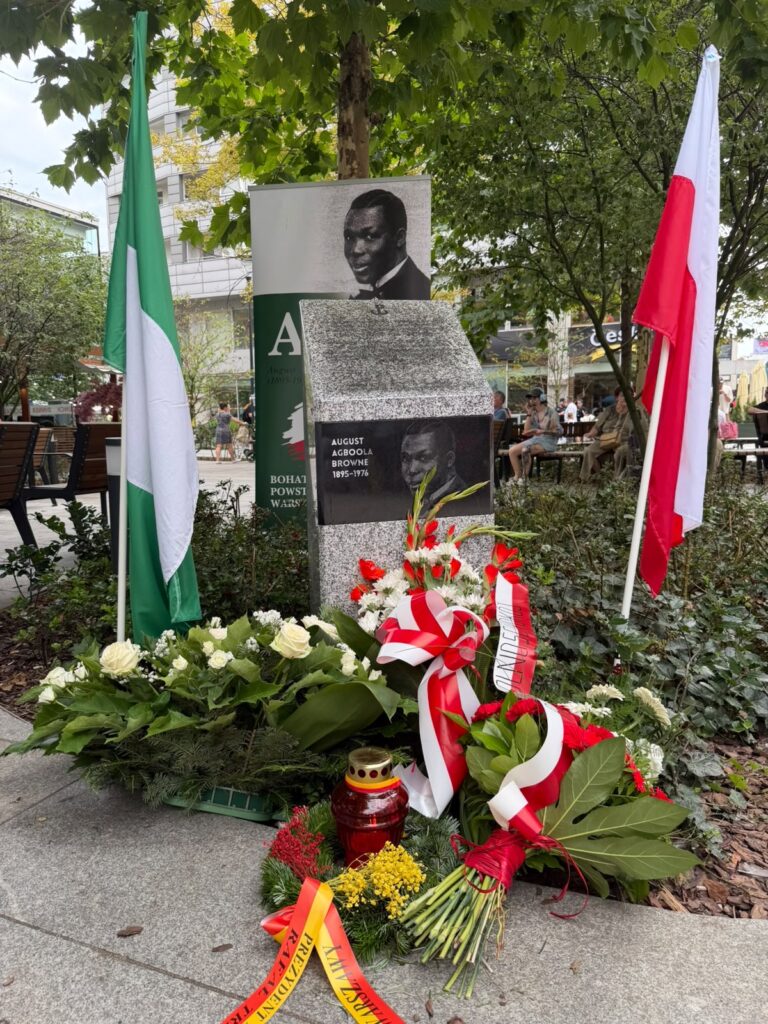
Browne, believed to be the only known Nigerian to have fought in the uprising against Nazi occupation, has become an increasingly prominent figure in relations between Warsaw and Abuja. His extraordinary story has helped forge a unique historical link between two countries separated by geography but connected by a shared commitment to democratic ideals.
Addressing Polish officials, diplomats and invited guests, Ohakim said Browne’s decision to join the resistance demonstrated that the pursuit of justice, freedom and human dignity was universal rather than defined by race, nationality or geography.
“As Nigeria and Poland continue to strengthen their longstanding bilateral relations, the story of August Agboola Browne serves as a powerful bridge between our two nations,” she said. “His legacy reinforces the enduring friendship built on shared values of courage, mutual respect, freedom and international cooperation.”
The ambassador said Browne remained a source of national pride for Nigeria, describing him as a man whose life reflected the values of courage, resilience, compassion and an unwavering commitment to justice. She said his example continued to inspire Nigerians to embrace global citizenship and work towards peace, equality and respect for human dignity.
Ohakim also praised Poland for preserving Browne’s memory, saying the recognition accorded to the Nigerian fighter reflected the country’s willingness to honour all those who contributed to its struggle for liberation, regardless of their origins.
She argued that Browne’s place in Poland’s national story underscored the international character of the Warsaw Uprising, which drew support from people united by a common belief in liberty rather than by nationality alone.
Calling for closer cooperation between Nigeria and Poland, the ambassador said the principles embodied by Browne’s life should continue to shape efforts to build societies where justice prevails over oppression, dialogue replaces conflict and unity triumphs over division.
She also urged both countries to preserve the stories of historical figures such as Browne, arguing that remembrance remained essential if future generations were to understand the sacrifices made in defence of democracy, human rights and peace.
The annual ceremony commemorates the Warsaw Uprising, which began on 1 August 1944 as Polish resistance fighters launched an attempt to liberate the capital from Nazi German occupation. Although the uprising was eventually crushed after 63 days, it remains one of the defining moments in Poland’s modern history.
For Nigeria and Poland, Browne’s remarkable journey continues to offer more than a historical footnote. Eight decades after the uprising, his legacy has become an enduring symbol of the growing diplomatic and people-to-people ties between the two nations.